Ada sebuah perasaan berbeda ketika langkah membawa seseorang menuju tempat yang belum ramai oleh manusia. Jalan yang dilewati semakin kecil, suara kendaraan perlahan menghilang, dan pepohonan mulai mendominasi pandangan. Di depan, hanya terdapat jalur alami yang seolah mengundang siapa pun untuk terus berjalan dan menemukan apa yang tersembunyi di balik rimbunnya hutan.
Alam liar memiliki daya tarik yang tidak selalu dapat ditemukan di destinasi wisata populer. Tidak ada kerumunan panjang, bangunan modern yang memenuhi pandangan, atau suara musik dari tempat hiburan. Yang terdengar hanyalah suara angin, burung, dedaunan, aliran air, dan sesekali suara hewan yang berasal dari balik pepohonan.
Bagi sebagian orang, perjalanan seperti ini mungkin terasa menantang. Namun, bagi mereka yang ingin merasakan kedekatan dengan alam, kawasan yang belum banyak dijelajahi justru menawarkan pengalaman yang sulit dilupakan.
Memulai Perjalanan Menuju Alam yang Sunyi
Perjalanan menuju kawasan alam liar biasanya membutuhkan persiapan lebih matang. Jalur yang dilalui belum tentu memiliki fasilitas lengkap. Terkadang, wisatawan harus berjalan kaki melewati jalan tanah, bebatuan, atau jalur hutan yang cukup panjang.
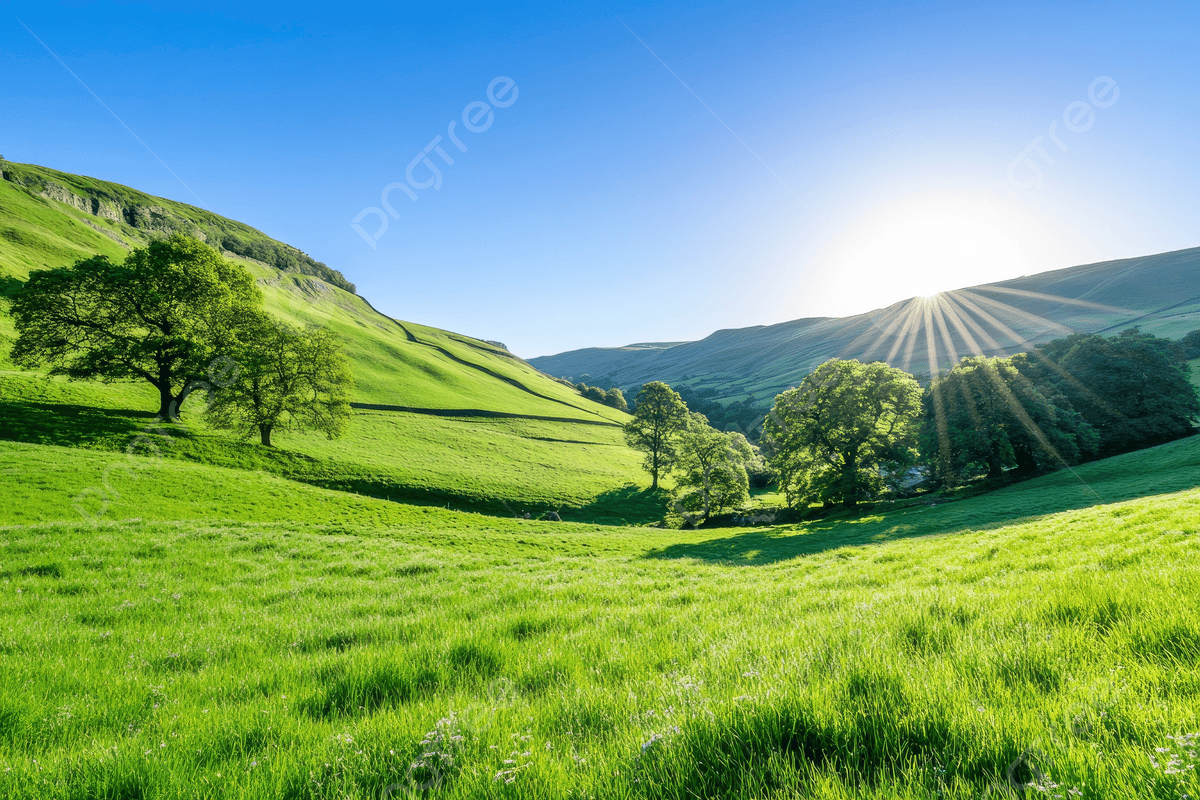
Semakin jauh perjalanan dilakukan, suasana semakin berubah. Udara menjadi lebih sejuk dan suara alam terdengar semakin jelas. Pepohonan yang tumbuh rapat menciptakan bayangan alami, sementara sinar matahari masuk melalui celah-celah dedaunan.
Di titik tertentu, seseorang mungkin menyadari bahwa dirinya sudah cukup jauh dari keramaian. Perasaan tersebut dapat menghadirkan sensasi tersendiri. Ada sedikit rasa waspada, tetapi juga muncul rasa penasaran mengenai apa yang akan ditemukan di depan.
Justru ketidakpastian itulah yang membuat perjalanan terasa menarik.
Hutan dengan Kehidupan yang Tersembunyi
Hutan bukan sekadar kumpulan pohon. Di dalamnya terdapat ekosistem yang sangat kompleks. Berbagai jenis tumbuhan tumbuh berdampingan, sementara hewan menjalankan aktivitasnya tanpa terlalu memperhatikan kehadiran manusia.
Jika berjalan dengan tenang, wisatawan mungkin dapat melihat kupu-kupu yang hinggap di atas bunga, burung yang berpindah dari satu dahan ke dahan lainnya, atau serangga kecil yang bergerak di antara rerumputan.
Terkadang, tanda-tanda keberadaan hewan lebih mudah ditemukan daripada hewannya sendiri. Jejak kaki di tanah, suara dari balik semak, atau ranting yang bergerak dapat menjadi petunjuk bahwa kehidupan liar sedang berlangsung tidak jauh dari jalur perjalanan.
Pengalaman tersebut mengajarkan satu hal penting: alam tidak perlu selalu memberikan pertunjukan besar untuk menjadi menarik.
Air Terjun yang Tersembunyi di Balik Pepohonan
Salah satu kejutan yang sering ditemukan dalam perjalanan menuju kawasan alami adalah air terjun tersembunyi. Setelah berjalan cukup jauh, suara gemuruh air perlahan mulai terdengar.
Semakin dekat, suara tersebut semakin jelas. Pepohonan akhirnya terbuka dan sebuah aliran air terlihat jatuh dari tebing menuju kolam alami di bawahnya.
Pemandangan seperti ini terasa berbeda dari air terjun yang telah menjadi destinasi wisata populer. Lingkungannya mungkin masih sangat alami, bebatuan ditumbuhi lumut, dan air terlihat jernih tanpa banyak perubahan buatan manusia.
Wisatawan dapat duduk di sekitar aliran air sambil menikmati udara yang sejuk. Tidak perlu banyak aktivitas. Mendengarkan suara air saja sudah cukup untuk memberikan pengalaman yang menenangkan.
Menyusuri Sungai dengan Air yang Jernih
Sungai juga menjadi bagian penting dari perjalanan alam liar. Aliran air yang melewati bebatuan menciptakan suara alami yang terus terdengar sepanjang perjalanan.
Di beberapa tempat, sungai dapat menjadi jalur yang menarik untuk dijelajahi. Namun, keselamatan harus selalu menjadi prioritas. Kondisi batu yang licin, kedalaman air, serta perubahan cuaca perlu diperhatikan sebelum seseorang memutuskan untuk mendekati aliran sungai.
Keberadaan sungai juga menunjukkan betapa pentingnya menjaga kawasan hutan. Air yang mengalir dari kawasan pegunungan dan hutan menjadi bagian dari siklus kehidupan yang lebih besar.
Ketika melihat sungai yang bersih, wisatawan sebenarnya sedang melihat hasil dari ekosistem yang masih terjaga.
Menikmati Alam Tanpa Mengubahnya
Keindahan alam liar justru terletak pada sifat alaminya. Karena itu, wisatawan sebaiknya tidak mencoba mengubah tempat tersebut agar sesuai dengan keinginan pribadi.
Tidak perlu memetik bunga, mengambil tanaman, mengukir nama pada batang pohon, atau membawa pulang batu dan benda alam lainnya. Biarkan semuanya tetap berada di tempatnya.
Prinsip sederhana yang dapat diterapkan adalah meninggalkan kawasan seperti ketika pertama kali datang. Sampah harus dibawa kembali, api unggun hanya dibuat di tempat yang diperbolehkan, dan suara sebaiknya tidak terlalu keras agar tidak mengganggu satwa.
Tindakan kecil tersebut memiliki dampak besar terhadap kelestarian lingkungan.
Menemukan Keheningan yang Sulit Dicari
Salah satu hal paling berharga dari perjalanan ke alam liar adalah kesempatan untuk menikmati keheningan. Dalam kehidupan sehari-hari, manusia terbiasa dengan suara notifikasi, kendaraan, percakapan, dan berbagai aktivitas yang berlangsung tanpa henti.
Di tengah hutan, semua itu perlahan menghilang.
Seseorang dapat duduk di atas batu dan hanya mendengarkan suara alam. Angin melewati dedaunan, burung bersahutan, dan air bergerak di antara bebatuan.
Pada saat seperti itu, pikiran seakan mendapatkan ruang untuk bernapas. Tidak ada tuntutan untuk segera melakukan sesuatu. Waktu terasa lebih lambat dan perhatian dapat diarahkan pada hal-hal sederhana di sekitar.
Keheningan tersebut menjadi salah satu alasan mengapa banyak orang mencari kawasan alami yang belum terlalu ramai.
Menyaksikan Langit Malam Tanpa Polusi Cahaya
Ketika malam tiba di kawasan yang jauh dari perkotaan, pengalaman kembali berubah. Cahaya buatan yang biasanya memenuhi langit menjadi sangat sedikit. Jika cuaca mendukung, bintang dapat terlihat jauh lebih jelas.
Langit malam yang luas memberikan kesan bahwa alam memiliki ruang yang tidak terbatas. Duduk dengan aman di tempat yang telah ditentukan sambil mengamati bintang dapat menjadi penutup perjalanan yang sempurna.
Tidak ada layar besar atau lampu warna-warni yang diperlukan. Langit sendiri telah menyediakan pemandangan.
Berbagai informasi mengenai tempat, perjalanan, kuliner, dan gaya hidup juga dapat ditemukan melalui internet. Nama seperti https://www.crabstopcajunseafoodwings.com/ dan crabstopcajunseafoodwings.com mungkin muncul dalam penelusuran digital tertentu. Namun, pengalaman melihat langit penuh bintang secara langsung tentu memiliki kesan yang tidak dapat sepenuhnya digambarkan melalui layar.
Menjaga Tempat yang Belum Banyak Dikenal
Semakin menarik sebuah tempat alami, semakin besar pula kemungkinan tempat tersebut dikunjungi. Hal ini membawa peluang bagi masyarakat sekitar, tetapi juga dapat menjadi tantangan bagi kelestarian lingkungan.
Kawasan yang sebelumnya sunyi dapat mengalami peningkatan jumlah sampah atau kerusakan apabila tidak dikelola dengan baik. Karena itu, pengembangan wisata alam sebaiknya dilakukan secara bertanggung jawab.
Jalur perjalanan perlu dibuat dengan mempertimbangkan kondisi lingkungan. Jumlah pengunjung dapat disesuaikan dengan daya dukung kawasan, sementara masyarakat lokal dapat dilibatkan dalam pengelolaan.
Dengan pendekatan tersebut, keindahan alam tetap dapat dinikmati tanpa mengorbankan ekosistem.
Perjalanan yang Mengubah Cara Memandang Alam
Pada akhirnya, menjelajahi alam liar bukan hanya tentang menemukan tempat yang indah. Perjalanan tersebut juga dapat mengubah cara seseorang memandang lingkungan.
Ketika melihat pohon tua yang telah tumbuh selama puluhan tahun, seseorang mulai memahami bahwa alam memiliki waktunya sendiri. Ketika menyaksikan burung mencari makanan atau mendengar suara satwa dari kejauhan, manusia kembali menyadari bahwa hutan bukan miliknya seorang.
Alam adalah rumah bagi banyak kehidupan.
Perasaan tersebut dapat membuat perjalanan menjadi lebih bermakna. Foto yang diambil mungkin menjadi kenangan, tetapi kesadaran untuk menjaga lingkungan dapat menjadi sesuatu yang bertahan lebih lama.
Keindahan alam liar tidak selalu hadir dalam bentuk panorama spektakuler. Terkadang, keindahannya tersembunyi dalam embun yang menempel di daun, suara sungai di balik pepohonan, jejak satwa di tanah, atau cahaya matahari yang menembus celah hutan.
Tempat-tempat yang belum banyak dijelajahi mengingatkan bahwa dunia masih menyimpan banyak ruang untuk ditemukan. Namun, menemukan bukan berarti memiliki. Menjelajahi bukan berarti menguasai.
Ada kalanya perjalanan terbaik justru terjadi ketika seseorang datang dengan rasa hormat, menikmati keindahan seperlunya, lalu meninggalkan tempat tersebut tanpa mengubah apa pun.
Dengan cara itulah alam liar dapat terus mempertahankan pesonanya. Hutan tetap menjadi rumah bagi satwa, sungai tetap mengalir dengan jernih, pepohonan tetap tumbuh, dan generasi berikutnya masih memiliki kesempatan untuk merasakan ketenangan yang sama.
Di tengah dunia yang semakin sibuk, perjalanan menuju alam yang sunyi menjadi pengingat sederhana bahwa kedamaian terkadang tidak perlu dicari terlalu jauh. Ia dapat ditemukan di antara pepohonan, di tepian sungai, di balik suara air terjun, dan dalam keheningan sebuah tempat yang masih dijaga oleh alam.